Take your business
from AI curious
to AI native.
I find the jobs that eat your team's week: the quotes, the reports, the paperwork. Then I build AI tools and systems that do them for you, and teach your team to run it all.
You've had the
“holy s#!t” moment.
Someone on your team asked ChatGPT or Claude for something: a proposal, a report, an analysis that usually takes a day. It came back in forty seconds. And it was good. You saw what's possible.
Then Monday came, and nothing changed. AI is still just a chat window someone opens now and then. Whoever uses it has to re-explain the whole task from scratch, every time, and the results depend on who's typing.
1. What does your company do, and what is Hendricks buying?
2. Scope and pricing: line items, rates, timeline?
3. Format and tone: is there a past proposal I can match?
A few people got a little faster. The business didn't. Closing that gap is the work I do.
A junior you re-train
every morning versus a senior
who just needs the goal.
Most businesses treat AI like a junior employee on their first day: explain the company, spell out the task, double-check every line. Tomorrow, it's their first day again. Nothing sticks.
An AI-native business treats it like a senior. You hand it the goal; it already knows your company, your standards, and your way of doing things, because those live in systems you own. And they get sharper every time someone uses them.
AI curious
The same prompt, re-typed in another chat tab. Nothing saved, nothing shared.
typed at 8:41 AM
pasted again · the third time
AI native
Your company's context, written down once, in systems you own.
├─ knowledge/
│ ├─ pricing.md
│ ├─ brand-voice.md
│ └─ customers.md
├─ skills/
│ ├─ build-quote.md
│ ├─ monthly-report.md
│ └─ follow-up.md
└─ tools/
In practice, that
looks like this:
- The quote that took three days goes out the same morning, priced from your own rate card, in your own words.
- The monthly report builds itself from your real numbers. Same math, same format, every time. Nobody loses a day assembling it.
- Every sales call gets reviewed and scored, not just the two your manager had time to listen to.
- The invoices, timesheets, and paperwork that pile up on one person's desk are processed overnight.
- A customer review deck that took a full day per account is ready in minutes.
Three deliverables:
the tools, the systems, and
a team that can run them.
Custom tools for your most expensive bottlenecks.
Quoting and estimating. Reporting. Invoicing and paperwork. Sales follow-up. Customer reviews. Wherever the slow work lives, that's where I start. Your first tool is live inside the first month.
Your company's context, installed.
A knowledge base that holds what the AI needs to know about your business, and ready-built skills for the jobs you do every week. Nobody re-explains the same task instructions every morning, and what one person figures out, the whole team keeps.
Hands-on sessions with the people doing the work.
On your real tasks, in your real tools, not a slideshow. By the end, your team runs this stuff themselves. Better at AI, not dependent on me.
Where Outright specializes.
Trades &
construction.
General contractors, commercial builders, HVAC, electrical, plumbing, roofing, restoration, across the GTA.
GTM teams &
startups.
Founders, sales and marketing leaders, ops leads. Fifteen years of B2B go-to-market behind the builds.
What an Outright build
looks like.
AI Meeting Coach
Every sales meeting scored and coached automatically. The rep gets concrete feedback minutes after the Zoom call ends.
AI Business Review Deck Generator
A key account's mid-season review, 18 branded slides from live account data, built from one typed line. It used to take a full day.
Meta Ads Manager
Weekly ad performance joined to real pipeline dollars, in plain English. Nobody lives in Ads Manager anymore.

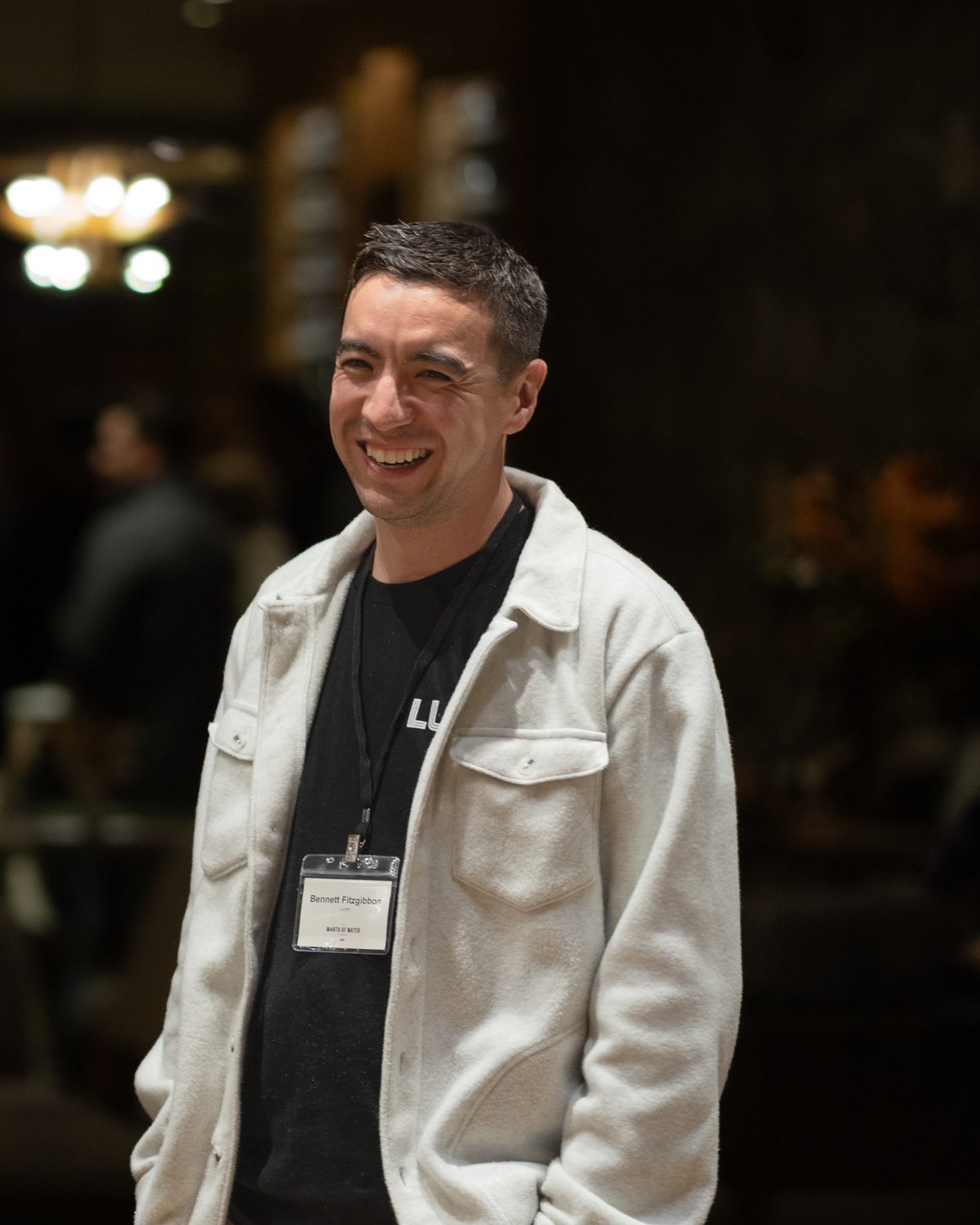
Meet Bennett.
Fifteen years running go-to-market at B2B startups, two of them through exits. The whole way, I was building the tools my own teams needed. Now I build them for other businesses.
When we talk, you're talking to the person who scopes the work, builds the tools, and shows up to coach your team.
The questions
everyone asks.
No. 01Who owns the tools that get built?
You do. Code, prompts, documentation, credentials, all handed over as each tool ships. Everything runs in your accounts, on your AI subscription, not mine.
No. 02What happens if we stop working together?
You keep everything: the tools, the systems, and a team that's better at AI than when I arrived. No license that expires, no wind-down fee.
No. 03Why is the minimum three months?
That's how long it takes to map the business, ship the first tool, and have the second one paying for itself.
No. 04What does the free prototype include?
You bring the task your team dreads, with a few real examples, to a 30-minute call. I come back with a working proof of concept. Where a prototype doesn't fit, you get a plan and roadmap you keep either way.
No. 05Our team isn't technical. Can we actually run this?
Yes. You don't need to be technical, and nobody on your team has to write code or learn to. Every tool is built so you use it the way you already work, and the coaching makes sure it sticks: sessions are one-on-one, on your real tasks, in your real tools. By the end your team runs it without me.
Let's get
started.
AI is moving faster than most businesses can put it to work. The ones pulling ahead aren't smarter. They started.
Think about the task your team dreads most. The report nobody wants to build. The paperwork that eats every Friday. Bring it to me and I'll prototype it free. You'll see it working before you spend a dollar.